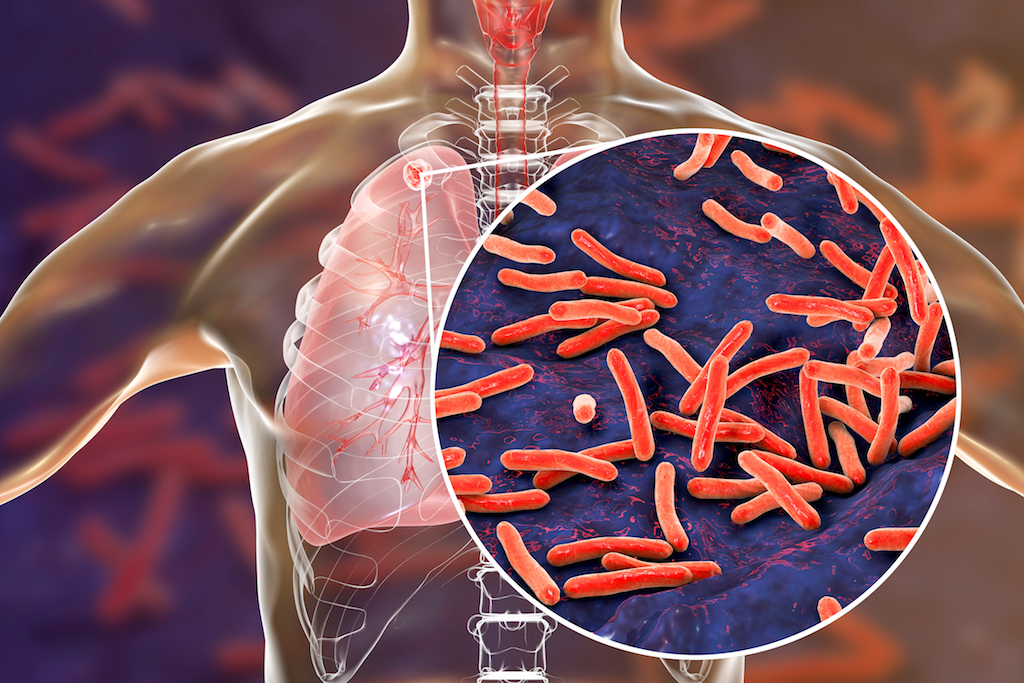
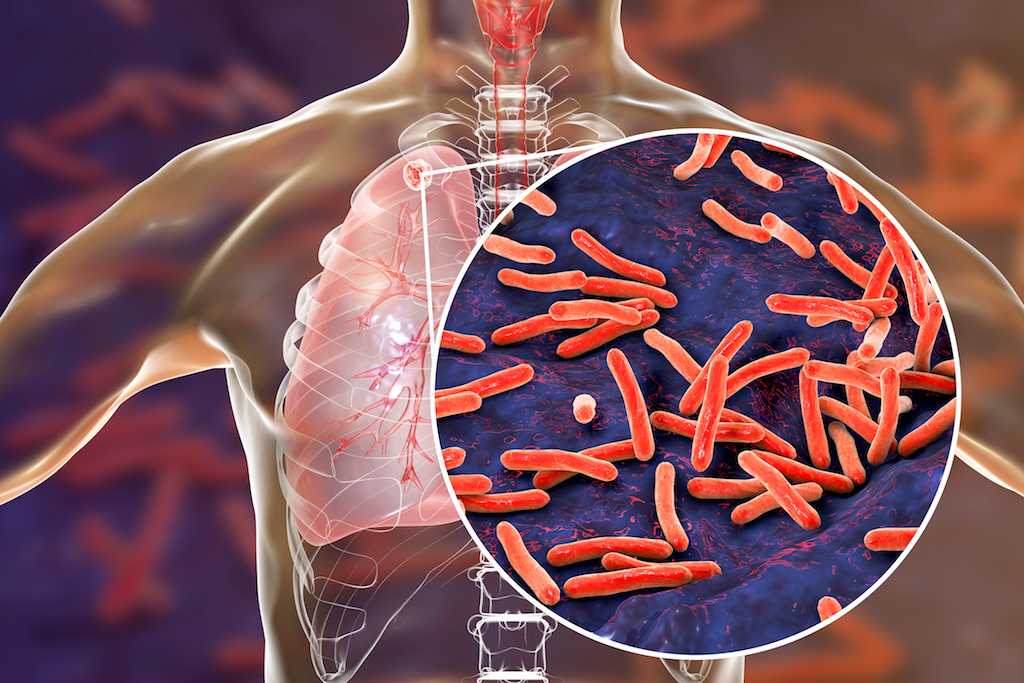
Tuberculosis (TB) is a bacterial infection caused by Mycobacterium tuberculosis. The bacteria are most commonly found in the lungs, but they can also cause harm to other parts of the body.
When a person with TB of the lungs or throat coughs, sneezes, or talks, TB spreads through the air. If you think you’ve been exposed, see your doctor for tests. If you have a weakened immune system, you are more prone to contract tuberculosis.
Stages of Tuberculosis
There is a distinction between being infected with the tuberculosis bacteria and having active tuberculosis.
The stages of tuberculosis are:
1. Exposure: This occurs when a person comes into contact with or is exposed to another person who has tuberculosis. A negative skin test, a normal chest X-ray, and no signs or symptoms of the disease will be present in the exposed person.
2. Latent TB infection: When a person has TB bacteria in their body but no signs of the disease, this is referred to as a latent TB infection. The immune system of a TB patient protects them from infection. Most persons with tuberculosis (TB) are inactive for the rest of their lives. This person would have a positive tuberculosis skin or blood test but a normal chest X-ray or one that simply reveals scars from the disease in the past. They would show no signs of infection elsewhere in the body.
3. TB disease: This person is suffering from active tuberculosis (TB) symptoms. A positive or negative skin or blood test for tuberculosis and a positive chest X-ray, biopsy, or other evidence indicating an active infection are all possibilities.
Symptoms of Tuberculosis in the Lungs
Symptoms of tuberculosis in the lungs include:
- A severe cough that lasts three weeks or more.
- Loss of weight.
- Appetite loss.
- Coughing up blood or mucous is a common symptom.
- Weakness or lethargy.
- Fever.
- Sweats at night.
Skin tests, blood tests, x-rays, and other tests can all be used to determine if you have tuberculosis. Tuberculosis (TB) can be fatal if not treated properly. Active tuberculosis is usually cured by taking numerous medications over a long period of time.
Who is the most vulnerable?
Tuberculosis primarily affects adults in their prime years of work. All age groups, however, are at risk. Developing countries account for almost 95% of cases and deaths.
HIV- positive people are 18 times more likely to acquire active tuberculosis. Active tuberculosis is also more likely in those who have other illnesses that weaken the immune system. People who are malnourished are three times more likely to die. In 2020, there were 1.9 million new tuberculosis cases worldwide due to malnutrition.
Tobacco smoking and alcohol abuse both raise the risk of tuberculosis by a factor of 3.3 and 1.6, respectively. In 2020, alcohol use disorder was responsible for 0.74 million new TB cases worldwide, while smoking was responsible for 0.73 million.
In children, tuberculosis is very difficult to diagnose.
Treatment of Tuberculosis
TB is a disease that can be treated and cured. A standard 6-month course of four antimicrobial medications is given to patients with active, drug – susceptible TB illness, along with information and assistance from a health worker or trained volunteer. Treatment adherence is more difficult without such assistance.
Since 2000, TB diagnosis and treatment have saved an estimated 66 million lives.
Prevention of Tuberculosis
- The best strategy to avoid contracting tuberculosis is to have a healthy immune system and avoid contact with someone who has active TB.
- Detecting and treating latent tuberculosis cases before the disease becomes active is absolutely essential, especially in high-risk populations.
- The CDC’s latest guidelines require most health care providers to be diagnosed for tuberculosis when they are hired in order to prevent tuberculosis spread in healthcare settings.
Other strategies to prevent the spread of tuberculosis include:
- Improving indoor ventilation to reduce bacteria levels in the air.
- Using germicidal UV lamps to destroy airborne bacteria in buildings with high TB risk
- To increase the likelihood of successful treatment, directly observed therapy (DOT) is used, in which persons taking TB medicine are monitored by their healthcare providers.


 Health is Wealth